
Indian football’s biggest domestic competition is back. The Indian Super League (ISL) 2026-27 season kicks off on October 10, 2026, with Bengaluru FC hosting Sporting Club Delhi at the Sree Kanteerava Stadium at 5:00 PM IST. The new campaign arrives with a revamped, club-led structure, a return to the traditional home-and-away format and a 13-team field that includes a fresh face in the capital. Here is everything you need to know before the first whistle.
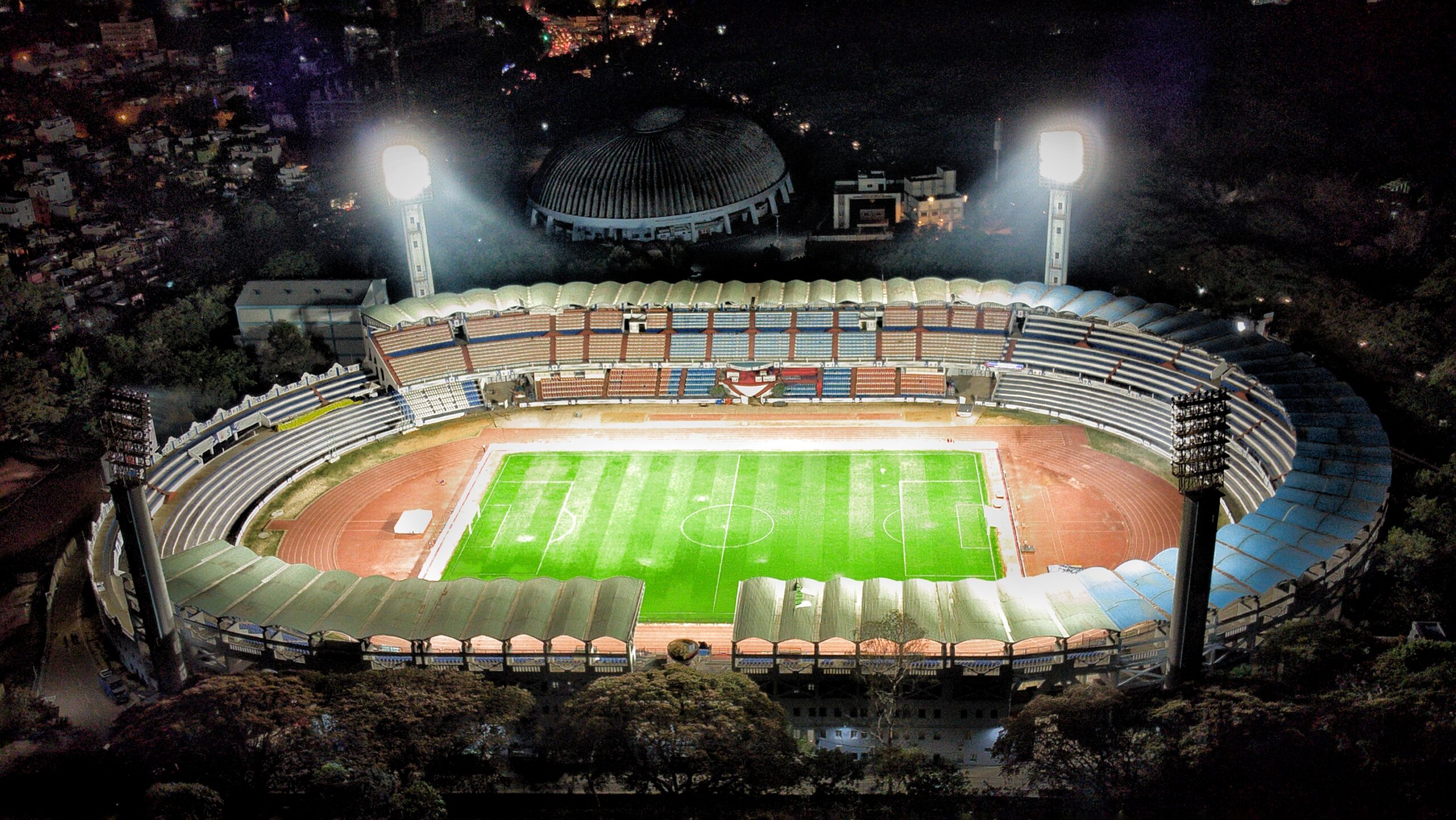
Opening night: Bengaluru FC vs Sporting Club Delhi
The season opener pairs one of the league’s established clubs with one of its newest names. Bengaluru FC will welcome Sporting Club Delhi to the Sree Kanteerava Stadium on Saturday, October 10, with kick-off at 5:00 PM IST, according to the Phase 1 fixture list published by the league. Playing the opening match at home gives Bengaluru the benefit of a familiar ground and a vocal crowd, while Sporting Club Delhi will use the occasion to introduce themselves to a national audience.
Openers are rarely a true test of a season’s shape, but they do set tone and confidence. For the visitors, simply arriving at a ground like Kanteerava and competing would be a statement of intent. For the hosts, the aim is to start with three points and avoid the early stumbles that can derail a long season.
A new structure: club-led and home-and-away
The 2026-27 edition is built on what reports describe as a new club-led framework, which has moved from agreement to implementation. The league phase returns to a conventional round-robin in which every club plays the others both home and away. The Phase 1 fixture report states that 13 clubs will each play 24 matches during the league stage. After the league phase, the competition will award two honours: the Shield, for the team that finishes top of the table, which also earns qualification for Asian competition, and the ISL Cup, decided through playoffs among the top six finishers.
That dual-trophy approach gives the long league season real meaning for the teams at the top, while preserving the drama of knockout football. The season is scheduled to run through May 2027, with the first phase of fixtures spanning October 2026 to January 2027.
The 13 clubs
The participating teams are Bengaluru FC, Chennaiyin FC, Churchill Brothers, East Bengal FC, FC Goa, Inter Kashi, Kerala Blasters FC, Mohun Bagan Super Giant, Mumbai City FC, NorthEast United FC, Odisha FC, Punjab FC and Sporting Club Delhi. Reports note that Churchill Brothers’ participation is subject to regulatory clearance, while Diamond Harbour FC, despite winning promotion, did not fulfil administrative requirements and will not take part this season.
The mix of traditional powerhouses from Kolkata, established franchises from cities such as Mumbai, Bengaluru and Kerala, and newer entrants such as Sporting Club Delhi gives the competition a broad geographic spread. It also reflects a trend towards clubs with deeper local roots playing a bigger role in running the league.
Key dates to mark in the calendar
Defending champions East Bengal begin on October 18
East Bengal FC enter the season as title holders. They begin their defence on October 18 against Churchill Brothers. Holding the trophy brings both prestige and pressure, as every opponent will treat the champions’ fixtures as a marquee occasion.
NorthEast United host Sporting Club Delhi in Imphal, November 24
One of the more intriguing geographic stories is the fixture at Khuman Lampak Stadium in Imphal, where NorthEast United FC will host Sporting Club Delhi on November 24, 2026. Taking top-flight football to Imphal broadens the league’s footprint in the northeast of the country.
Kolkata Derby on November 29
The most anticipated club fixture in Indian football, the Kolkata Derby between East Bengal FC and Mohun Bagan Super Giant, is scheduled for November 29, 2026. Few matches in the country generate comparable atmosphere, and having the champions take on their historic rivals adds extra intensity.
The first Goa Derby, December 13
A brand-new rivalry arrives with the inaugural Goa Derby between Churchill Brothers and FC Goa on December 13, 2026 at Fatorda Stadium. Both clubs come from the same state, and the fixture promises to become a regular highlight of the calendar if the rivalry takes hold.
Weekend football and the fan experience
The fixture list has clearly been designed with supporters in mind. Of the 78 matches in Phase 1, 53, or about 68 percent, are scheduled for Fridays, Saturdays or Sundays, with most matches starting at either 5:00 PM or 7:30 PM IST. Concentrating games on weekends is a practical way to boost stadium attendance and television audiences, since more fans can attend or watch without work or school commitments getting in the way.
Consistent kick-off times also help build habit. When supporters know that matches land at predictable hours on predictable days, it is easier to turn casual viewers into regular followers, which is exactly what the league needs as it seeks to grow its audience.
Analysis: what to watch this season
Several storylines will shape the campaign. The first is the champions’ defence: East Bengal will be judged against the standard they set last season, and the Kolkata Derby will be an early barometer. The second is the impact of the home-and-away format, which rewards consistency over a longer period and gives each club the same number of home and away games, making the table a truer reflection of quality.
The third is the competitive position of newer sides. Sporting Club Delhi open away from home in a stadium with a strong tradition, and how they cope will say a lot about their first-season prospects. The fourth is the Shield race itself. With qualification for Asian competition on the line for the table-toppers, the top of the league should be contested throughout the season rather than only in the playoffs.
Finally, the structural changes themselves will be on trial. A club-led framework is designed to give teams more say and more stability. Whether it delivers on that promise will be judged by attendance, commercial stability and on-field competitiveness over the coming months.
Why this season matters for Indian football
The ISL is the primary domestic stage for Indian footballers, and its health directly affects the development pipeline. A stable, well-scheduled season with a clear competitive format gives players regular minutes, gives coaches continuity and gives young talent a visible pathway into professional football. A return to a traditional structure after a period of uncertainty is widely seen as a step towards that kind of stability.
For fans, the combination of marquee derbies, weekend scheduling and the prospect of continental qualification offers plenty of reasons to engage. The test will be whether crowds turn up in numbers and whether the quality on the pitch matches the ambition off it.
What’s next
The immediate focus is the opener at the Sree Kanteerava Stadium on October 10. After that, the league moves quickly into its rhythm of weekend fixtures, with East Bengal’s title defence beginning on October 18 and the major derbies arriving in late November and December. We will bring you results, analysis and standings as the season unfolds.
Conclusion
The Indian Super League 2026-27 begins with a fresh format, a 13-club field and a calendar packed with derbies. Bengaluru FC against Sporting Club Delhi on October 10 starts a season that will run to May 2027, culminating in the Shield and the ISL Cup. If the new structure delivers the stability and competitiveness it promises, this could be a landmark campaign for Indian football. For supporters, the wait is nearly over: the 2026-27 ISL is almost here.